
At the end of 2024, we began trying to provide operations outsourcing services for a company. Based on past experience, this should have been a familiar and easy collaboration: help the client save on management, recruitment, and training costs, and achieve results quickly.
But the actual result was completely the opposite.
What outsourcing should look like
When a company outsources routine design and network-related work, the premise is that this work is built on an existing day-to-day scope. Through outsourcing, the client saves management costs, and the vendor can mobilize the entire company's resources to respond while also meeting some flexible needs—that is what win-win looks like.
Based on our past experience, the normal rhythm of cooperation should be: formulate an execution plan based on the scope agreed at the outset, deliver in stages against goals, and regularly adjust and optimize the plan.
What actually happened
The problems during execution came from scope. The client had no boundaries for the work scope, which created overly high expectations; at the same time, there was no normal work planning, so the results were consistently unsatisfactory.
The most typical example was brochures. Over these months, the work we produced most for the client was brochures: in four months, we made seven or eight major versions in total, and under each major version there were about three minor revisions. Before documents were confirmed, we were asked to design and print; after one version was printed, new ideas emerged, and then work began on writing and designing the next version, repeating over and over.
Throughout the process, the client lacked overall control, the work content was disconnected from the company's real needs, and the costs for both parties were not considered. Later on, the client even included the business of its partner third-party companies in the service scope, assuming the vendor's resources were its own to serve its partners.
"Management out of control," "constantly changing requirements," "arbitrary decision-making," "vague cost awareness"—all these problems came together, and the outsourcing cooperation effectively became resource plundering. Communication costs were too high, and the entire project was completely out of control. So after four months of cooperation, we decisively terminated the business.
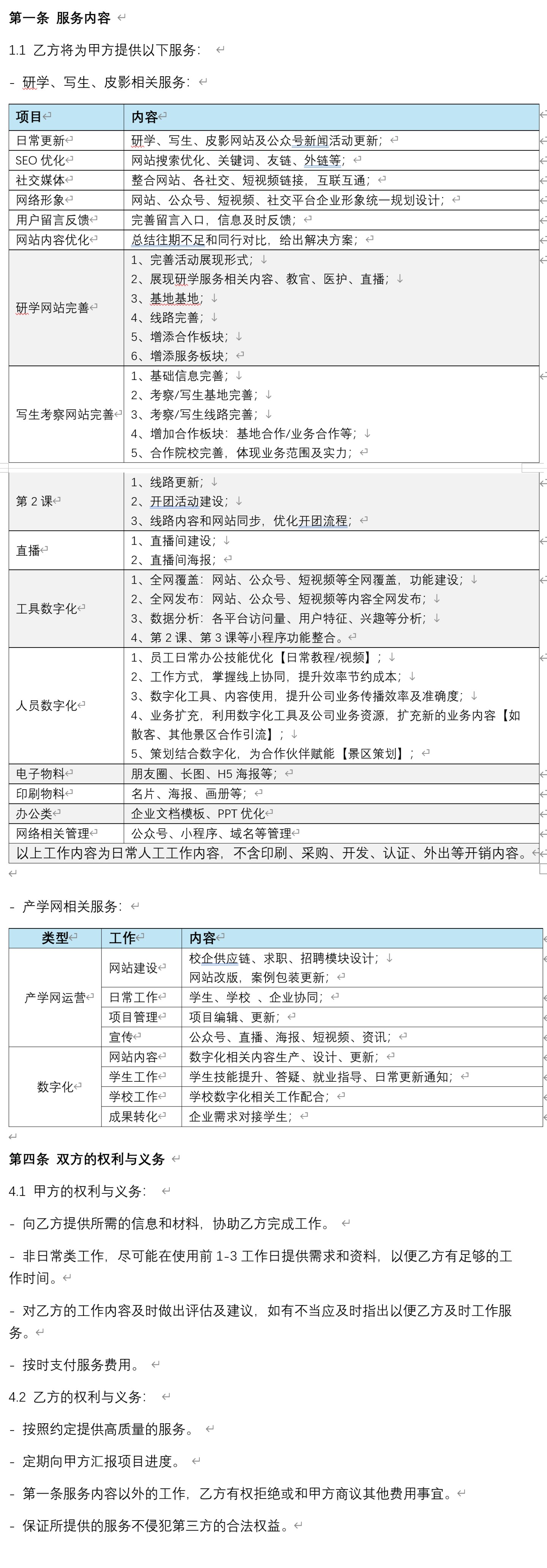
Service scope agreed at the outset
Project records for these months
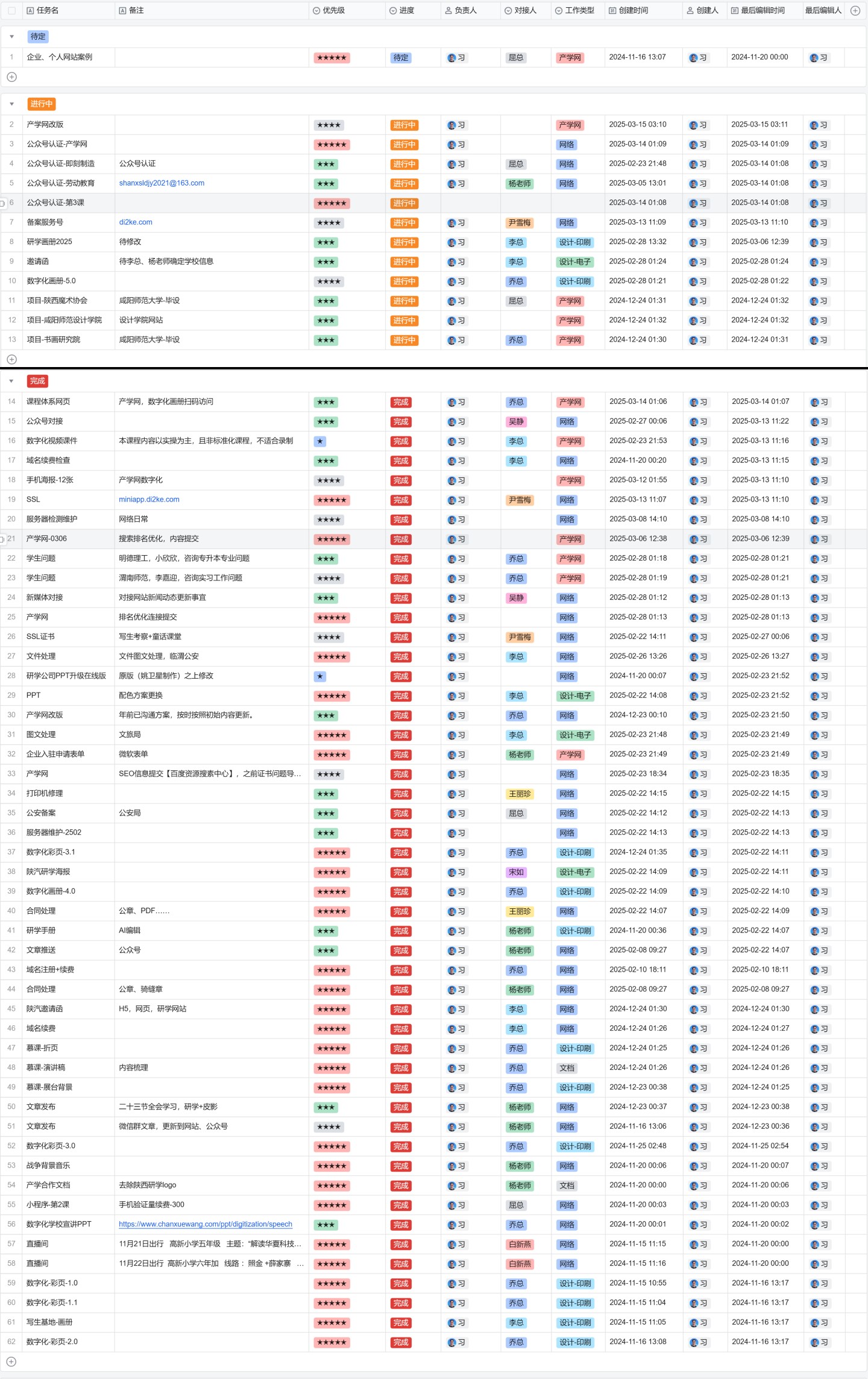
Among them, the unfinished projects will be completed on schedule before the end of the month.
Retrospective
The responsibility for this failure did not lie in execution capability, but in the fact that the preconditions for cooperation were not clarified. I am writing this down first as a record for ourselves, and second to remind peers: before outsourcing cooperation begins, the work scope, change process, and cost boundaries must first be put in writing.